The Day of ʿArafah is the best day of the year. It is the most important day of your life. Make sure it counts! It marks a turning point in your life, a shift from the old you to the new you. The Messenger of Allah ﷺ emphasised its centrality saying, “The ḥajj is ʿArafāt! The ḥajj is ʿArafāt! The ḥajj is ʿArafāt!” (Tirmidhi).
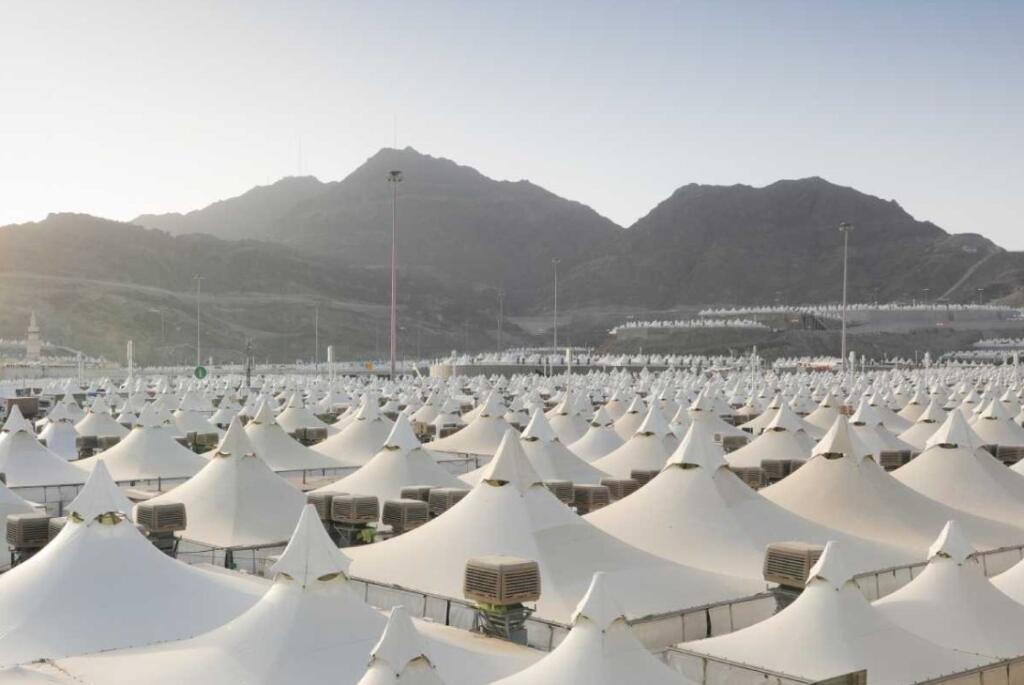
The Prophet ﷺ prayed fajr in Minā and after the sun rose, he left for ʿArafah.
Start reciting the takbīrāt of tashrīq once after each farḍ ṣalāh, starting from the Fajr of the 9th of Dhul Ḥijjah till ʿAṣr of the 13th Dhul Ḥijjah:
اَللهُ أَكْبَرُ اَللهُ أَكْبَرُ ، لَا إِلٰهَ إِلَّا اللهُ وَاللهُ أَكْبَرُ ، اَللهُ أَكْبَرُ وَلِلّٰهِ الْحَمْدُ
Allah is the Greatest. Allah is the Greatest. There is no god worthy of worship but Allah and Allah is the Greatest. Allah is the Greatest and all praise is for Allah Alone.
The Farewell Sermon of the Prophet ﷺ
Just after the sun reached its peak, the Prophet ﷺ rose to deliver a message. All eyes and hearts were focused on the Messenger of Allah ﷺ as he said: “Listen to me. You may not see me after this year.” He started by praising and glorifying Allah, and delivered the following key messages:
- Uphold human dignity: “Hurt no one so that no one may hurt you.”
- Honour and respect the rights of women: “Fear Allah in your treatment of women… take good care of (them).”
- Stay away from interest: “Allah has decreed that no usury is permitted.”
- Everyone is equal in the sight of Allah: “An Arab has no superiority over a non-Arab… a white person has no superiority over a black person, except by piety and good action.”
- Stay away from Shayṭān and hold on tight to the Qur’ān and Sunnah.
The Prophet ﷺ asked, “O People, have I faithfully delivered to you my message?” The air echoed with thousands of pilgrims replying, “O Allah! Yes!” The Prophet ﷺ raised his forefinger and said, “O Allah bear witness that I have conveyed Your message to Your people.”
Upon finishing the speech, Bilāl (raḍiy Allāhu ʿanhu) called the adhān and iqāmah. They offered the ẓuhr prayer, immediately called the iqāmah again and performed ʿaṣr, shortening the prayers.
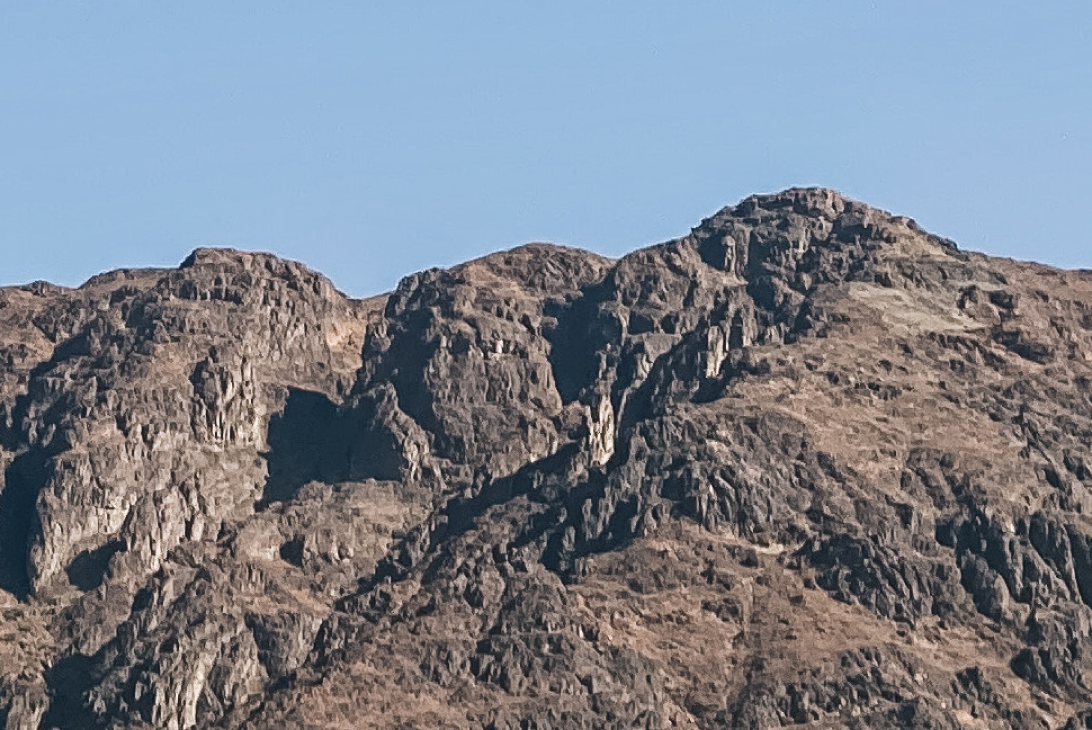
The Prophet ﷺ then moved towards the Mountain of Mercy in ʿArafah. He faced the qiblah and occupied himself in earnest duʿā’ until maghrib. He spent approximately five hours in continuous duʿā’. He begged Allah (subḥānahū wa taʿālā):
“O Allah, You hear my speech…I am the desperate and needy one, the one who is seeking Your help and protection, fearful and scared, one who confesses and acknowledges his sins. I beg You the begging of a destitute; I humbly implore You – the imploring of a humiliated sinner. I invoke You the invoking of the fearful afflicted person, whose neck is bowed down before You, whose eyes have overflowed with tears for You, whose body is humbled before You, and who has completely lowered Himself to You…” (Ṭabarānī).
Reflect: After years of struggle in conveying the message of his Lord, the entire Arabian Peninsula comes under the Prophet’s control and finally accepts his message. Yet, gathered on the plains of ʿArafah, at his highest point of victory, we do not witness parades or displays of pomp. Rather we witness nothing but humility and turning to Allah in desperate need.
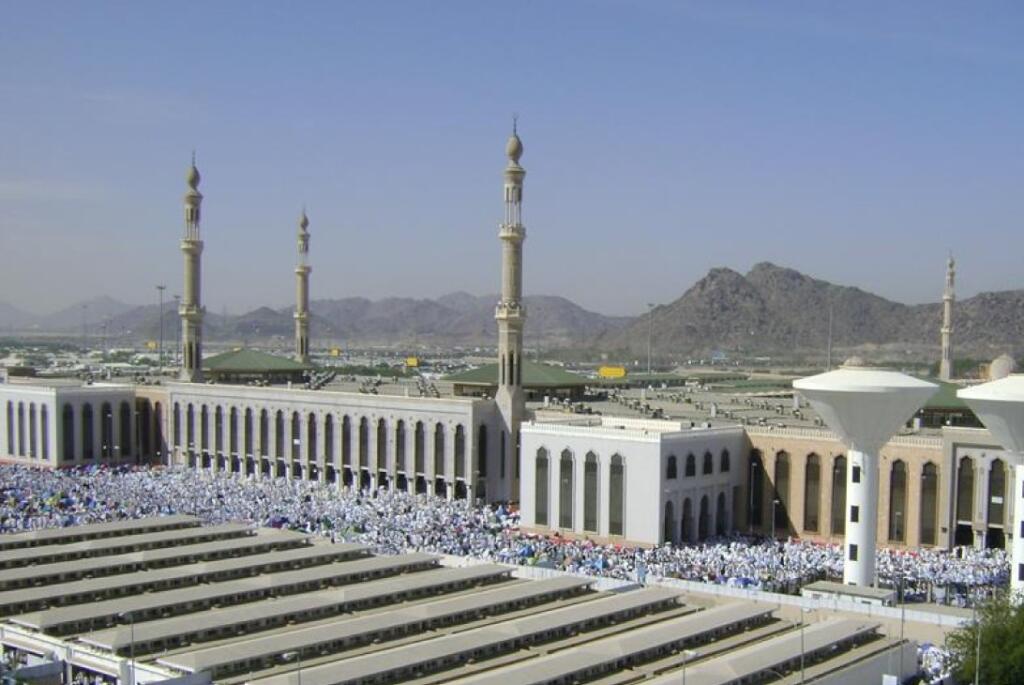
Standing (wuqūf) in ʿArafah is an essential part of ḥajj; without it, your ḥajj is not valid.
If possible, go to the Mountain of Mercy. However, this is not necessary, as the Prophet ﷺ said that all of ʿArafah is ‘mawqif’ (i.e. the place of wuqūf).
Stand for as long as you can, facing the qiblah. Praise Allah (subḥānahū wa taʿālā), send ṣalawāt, and make plenty of duʿā’.
The Secrets of the Day of ʿArafah
1. This is the day of duʿā’.
a. The best action on this great day is duʿā’. The Messenger of Allah ﷺ said: “The best duʿā’ is the duʿā’ of the Day of ʿArafah. The best of what I and the Prophets before me have said is:
لَا إِلٰهَ إِلَّا اللّٰهُ وَحْدَهُ لَا شَرِيْكَ لَهُ ، لَهُ الْمُلْكُ ، ولَهُ الْحَمْدُ ، وَهُوَ عَلَىٰ كُلِّ شَيْءٍ قَدِيْرٌ
There is no god worthy of worship but Allah. He is Alone and He has no partner whatsoever. To Him Alone belong all sovereignty and all praise. He is over all things All-Powerful” (Tirmidhī).
Act: Reflect on the deeper meanings of this dhikr (refer to the Dhikr&Dua app). Add it to your duʿā’ list, memorise it and keep repeating it throughout the day of ʿArafah.
b. The Prophet ﷺ started this day early, shortened his sermon and combined the prayers to devote the rest of his time to glorifying Allah and making duʿā’. Ḥajj is about strengthening your bond with Allah and spending time in intimate conversation (munājāh) with Him!
c. After the khuṭbah, he ﷺ made duʿā’ until sunset. He was so focused on making duʿā’ that even when his camel’s reins slipped, he grasped it with only one hand, and left his other hand raised towards the sky. How strong was his connection with his Lord!
Reflect: Despite being over 60 years old, undertaking a long journey from Madinah to Makkah, and being responsible for huge crowds, none of it came in the way of worshipping His Beloved!
Tip: Don’t waste these precious hours waiting in food queues, sitting around waiting for lunch, or talking to others. These few hours are not meant for eating and socialising. Stay focused. Eat light, so that you don’t feel bloated or sluggish, and instead fully focus on making duʿā’.
Act: Take out your duʿā’ list and beg Allah to accept your supplications.
Making Duʿa on the Day of ʿArafah:
Fill your heart with humility, repentance and submission. You have been waiting for years to make it to this great day. Allah has chosen you, out of billions of people, to witness this amazing day. The day has now arrived. What an incredible blessing! Allow these feelings to settle in your heart.
Express your helplessness, poverty and weakness to Allah. Reflect on your sins that are weighing you down so heavily, and on the wasted hours of your life spent in disobedience to Him. Let the tears flow as you are overwhelmed by remorse.
Act like a beggar. Ibn ʿAbbās (radiy Allāhu ʿanhumā) said, “I saw the Messenger of Allah ﷺ supplicating on the Day of ʿArafah with his hands raised to his chest, like a beggar pleading for food” (Bayhaqī). This was the Prophet ﷺ whose past and future sins had been forgiven, yet he still stood for hours, begging. So what about us?
Be certain your duʿā’ will be answered. Allah is al-Karīm, the Most Generous; His bounty and grace is immense and no sincere effort is ever wasted. Why wouldn’t your duʿā be answered when you’re surrounded by hundreds of thousands of tongues remembering Allah and hearts full of humility? Even if you’re not shown mercy because of your own deeds, you may be shown mercy because of the righteous around you.
Tip: These are the most important hours of your life. Spend as much time as you can in duʿā’. If you find it difficult to make duʿā’ for such a long duration, take short breaks and read from a duʿā’ book, make dhikr or recite the Qur’ān, and then come back to making more duʿā’. (For more tips on duʿā’, see ‘Hajj & Duʿā’’ article.
“I have been making duʿā’ on the Day of ʿArafah for the last 50 years, and not a year passes by except that I see them (answered) as clearly as the light of the morning.” – One of the pious predecessors
2. ʿArafah is the ultimate day of mercy and forgiveness. As the sun was about to set, the Prophet ﷺ said to the pilgrims: “O People! Jibrīl came to me just now. He conveyed the greeting of my Lord to me and said: ‘Allah has forgiven the people of ʿArafāt and Muzdalifah, and has taken over their responsibilities (He will fulfill the rights others have over them e.g. help them to repay their loans).’”
ʿUmar (raḍiy Allāhu ʿanhu) asked whether this was specific to those present thatday, to which the Prophet ﷺ replied, “It applies to you and to all who come after you until the Day of Judgement.” ʿUmar then said, “Allah’s grace is plentiful and beautiful!” (at-Targhīb wa at-Tarhīb).
ʿAbdullāh b. al-Mubārak (raḥimahullāh) approached Sufyān al-Thawrī on the evening of ʿArafah. Sufyān al-Thawrī (raḥimahullāh) was sitting on his knees and weeping bitterly. ʿAbdullāh b. al-Mubārak (raḥimahullāh) asked him: “Who is in the worst situation amongst these masses?” He replied: “The one who thinks that Allah will not forgive him.”
3. ʿArafah comes from the root word ʿa-r-f: to be aware of, to recognise. On the Day of ʿArafah, you recognise your sins and acknowledge them, and you also recognise Allah for who He is.
Act: In preparation for the Day of ʿArafah, take a moment to write down everything you know about Allah. If you’re struggling, make it a goal to learn about His Names and Attributes. Read a book, listen to a lecture series and reflect on the Qur’ān to understand who Allah is. Connect to Allah on a personal level, not just as a distant intellectual exercise.
4. This is the day of freedom from the Hellfire. No matter the extent of your sins, sincerely beg Allah for forgiveness and to free you from the Hellfire.
The Prophet ﷺ said, “There is no day in which Allah sets free more slaves from Hellfire than the Day of ʿArafah. Indeed, He draws near, and He then boasts about them to the angels and says: ‘What do these (slaves of mine) want?’” (Muslim). This day is also Shayṭān’s worst day in the year. In just a few hours, years of Shayṭān’s efforts to mislead humanity come to naught. What enrages him even more is that not only does Allah free the pilgrims from the Hellfire, but He frees the non-pilgrims too.
Act: Sincerely seek forgiveness for your sins and ask Allah al-ʿAfuww (The Ever Pardoning) to completely wipe them off your record. Allah’s forgiveness is much more vast than your sins!
Ḥakīm b. Ḥizām (raḥimahullāh) would stand in ʿArafah with 100 camels and 100 slaves. He would then free the slaves for the sake of Allah. The people would then would then weep aloud, saying: “O Allah! Your slave freed his slaves, and we too are Your slaves, so free us (from the Hellfire).”
5. Imagine the view of ʿArafah from the heavens. Imagine that Allah is boasting about you to His angels: “Indeed Allah (subḥānahū wa taʿālā) boasts to His angels about the people of ʿArafah on the afternoon of ʿArafah, saying: Look at My servants; they came to Me dishevelled and dusty!” (Aḥmad).
Reflect: How does it make you feel knowing you are in a gathering that Allah is boasting about to His angels? Another gathering Allah boasts about is when His servants come together to remember Him. How will you incorporate this into your life moving forward?
“It is well known that on the eve of ʿArafah, a level of īmān, mercy, light, and blessing descends upon the hearts of the pilgrims that cannot be described in words.” – Ibn Taymiyyah (raḥimahullāh)
6. Recognise the great gift of Islam. This day is also special because it was the day Allah (subḥānahū wa ta‘ālā) bestowed upon our ummah its greatest gift: He perfected the religion of Islam and completed His favour upon us.
ʿUmar b. al-Khaṭṭāb (raḍiy Allāhu ‘anhu) narrated: ‘Once a Jew said to me, “O leader of the believers! There is a verse in your (Holy) Book which you all recite; had it been revealed to us Jews, we would have taken that day (on which it was revealed) as a day of celebration.”’ ʿUmar (raḍiy Allāhu ‘anhu) asked him, “Which verse?” The Jew replied:
اَلْيَوْمَ أَكْمَلْتُ لَكُمْ دِيْنَكُمْ وَأَتْمَمْتُ عَلَيْكُمْ نِعْمَتِْى وَرَضِيْتُ لَكُمُ الْإِسْلَـٰمَ دِيْنًا
“…Today I have perfected your religion for you, completed My blessing upon you, and chosen Islam as your religion…” (5:3).
ʿUmar (raḍiy Allāhu ‘anhu) replied, “No doubt, we know the day and the place when this verse was revealed to the Prophet ﷺ. It was Friday and the Prophet ﷺ was standing at ʿArafah” (Bukhārī).
7. The Day of ʿArafah is a reminder of the Hereafter:
a. Remember the Day of Judgement as you see the millions and millions of people gathering gathering from all paths of life, completely dishevelled and begging to Allah in desperation. ʿArafah is an equaliser, just like the Day of Judgement is an equaliser: your wealth, status or power will mean nothing. Everyone will stand as slaves, answerable only to their Only Master: Allah.
b. As you see the different groups of people, with their different skin colours and languages, following their leaders to the sacred sites, reflect on the scene of the Day of Judgement. Every nations will gather with their Prophets and leaders, hoping for their intercession and worried about their outcome.
c. Take a moment to look at the hundreds of thousands of people around you, all wearing clothing resembling the death shroud, reminding you of the one certainty in this life: death.
d. Feel the heat of the sun on your skin and be reminded of your desperation on the Day of Judgement. If this short exposure is difficult, then what about the Day of Judgement, when the sun will be only a mile above your head, and the Day will stretch for 50,000 years? As you stand in ʿArafah, you may find some areas with shade and others without. Let this motivate you to strive to be among the seven categories of people who will be granted shade on the Day of Judgement:
- a just ruler,
- a young person who grew up in the worship of Allah,
- one whose heart is attached to the mosques,
- two people who love each other, meet each other, and depart from each other for the sake of Allah,
- a man who is tempted by a beautiful woman of high status but he refuses, saying, ‘I fear Allah,’
- one who spends in charity discreetly to the extent that his left hand does not know what his right hand has given,
- and one who remembered Allah in private and he wept. (Bukhārī)
Reflect: How will you change your life from today to be amongst at least one of the seven categories above?
e. In the final moments before maghrib, let the stillness and the silence around you remind you of the Day of Judgement where “… all voices will be hushed before the Most Compassionate. Only whispers will be heard” (20:108).
Tip: Go out and stand under the sun, even if it’s for a short while.
8. Fill your heart with love for Allah. The Day of ʿArafah is the annual gathering of all the lovers of Allah. Fill your heart with deep love for Allah: Your Creator, Master and Provider. Think of everything He does for you: how He takes care of you, overlooks your mistakes and conceals your sins. Allah, the King of the heavens and the earth, who needs nobody, is boasting about you to His angels, saying: “Look at My servants; they came to Me dishevelled and dusty!” (Aḥmad). He appreciates your efforts and dishevelled, distressed state. Think of this and fill your heart with love, yearning and appreciation for your Most Generous Lord. Feel closeness to Him and long to meet Him.
9. The secret of ḥajj lies in the gathering of a large number of righteous people in a sacred place, at a sacred time. It occurs in a land filled with the signs of Allah, visited by the best of His creation through the ages, where His symbols are honoured, voices are raised in humble duʿā’, and souls yearn for His mercy and forgiveness. When such sincerity and longing come together, Allah’s mercy and forgiveness inevitably pours down. This is why the Prophet ﷺ said, “Shayṭān has never been seen more humiliated, defeated, despised, and enraged than on the Day of ʿArafah” (Muwaṭṭa’).
10. As the sun begins to set on ʿArafah, this is one of the most bittersweet moments you will experience during the ḥajj. In these moments, you will cry out even more desperately to Allah begging Him for mercy and forgiveness. When the sun finally sets, a sense of coolness and peace will settle over ʿArafah. This is the moment your heart will feel light and free; unburdened by the weight of sin.
Act: In this moment, open your notebook and jot down your thoughts and feelings. Don’t forget to thank Allah for giving you the opportunity to experience the most blessed of moments in the year, in the most sacred of places, with the most amazing people. This is a gift many have never experienced.
11. Renew the covenant you may have forgotten. Long before we entered this world, we all made a covenant at ʿArafah when Allah asked us: “Am I not your Lord?” All of humanity replied, “Of course, we bear witness” (Aḥmad).
Reflect: It is as if Allah (subḥānahū wa taʿālā) brought you to ḥajj so that you would return to this very place as a reminder to feel regret for breaking your covenant and to renew it.
Act: Make a promise to Allah that you will remain faithful to what you have learned during your ḥajj, and to uphold it for the rest of your life after returning home.
Sufyān b. ʿUyaynah (raḥimahullāh) was fortunate to perform ḥajj 70 times. Each year in ʿArafah, he would plead to Allah: “O Allah! Do not let this be the last time with you (in ʿArafah)!” In the year he passed away, he did not supplicate with this duʿā’. When he was asked about this, he said: “I felt shy of Allah, the Exalted.”
Departing ʿArafah
After the sun had set, the Prophet ﷺ remained waiting, and so did the Companions (radiy Allāhu ʿanhum). His departure from ʿArafah was delayed because he was waiting for Usāmah ibn Zayd (radiy Allāhu ʿanhumā). When Usāmah, the dark-skinned child of former slaves, finally arrived, some people of Yemen remarked, “Is it for this one that we were held back?” The Prophet ﷺ then made Usāmah, who was 16 years old, ride behind him; this was a gesture of honour, meant to demonstrate Usāmah’s value to the Prophet ﷺ.
Reflect: Look at how Allah (subḥānahū wa taʿālā) honoured Usāmah (radiy Allāhu ʿanhu) and how the Prophet ﷺ utilised a golden opportunity to display the justice of Islam. Your worth in the sight of Allah is based on taqwā, and not on how you look or how much you own.
The Prophet ﷺ set off for Muzdalifah. He advised his Companions to remain calm when departing ʿArafah, saying: “People, remain tranquil and proceed easily…there is no virtue in rushing” (Nasā’ī).
Tranquillity encompasses: calmness, following orders, respecting the rights of others and refraining from chaotic and disturbing behaviour. Tranquillity allows the heart to be present: to be fully aware and in awe of the sacredness of the moment. When you slow down with intentionality, you will be able to reflect deeply, take in the weight of your surroundings, and truly connect with the purpose of your journey
Tip: You may find yourself waiting a long time for your coach to depart from ʿArafah or for your coach to arrive in Muzdalifah. Don’t let frustration or impatience steal these precious moments. Instead, remain calm and patient, and fill your time with the remembrance of Allah, istighfār, takbīr, talbiyah and ṣalawāt.
Just before departing from ʿArafah, ʿUmar b. ʿAbd al-ʿAzīz (raḥimahullāh) said, “The one who truly excels today is not the one whose camel reaches first (to Muzdalifah), but the one who has been forgiven.” In other words, true success on this sacred day is not about who reaches Muzdalifah first, but it is about acceptance, forgiveness, and closeness to Allah.