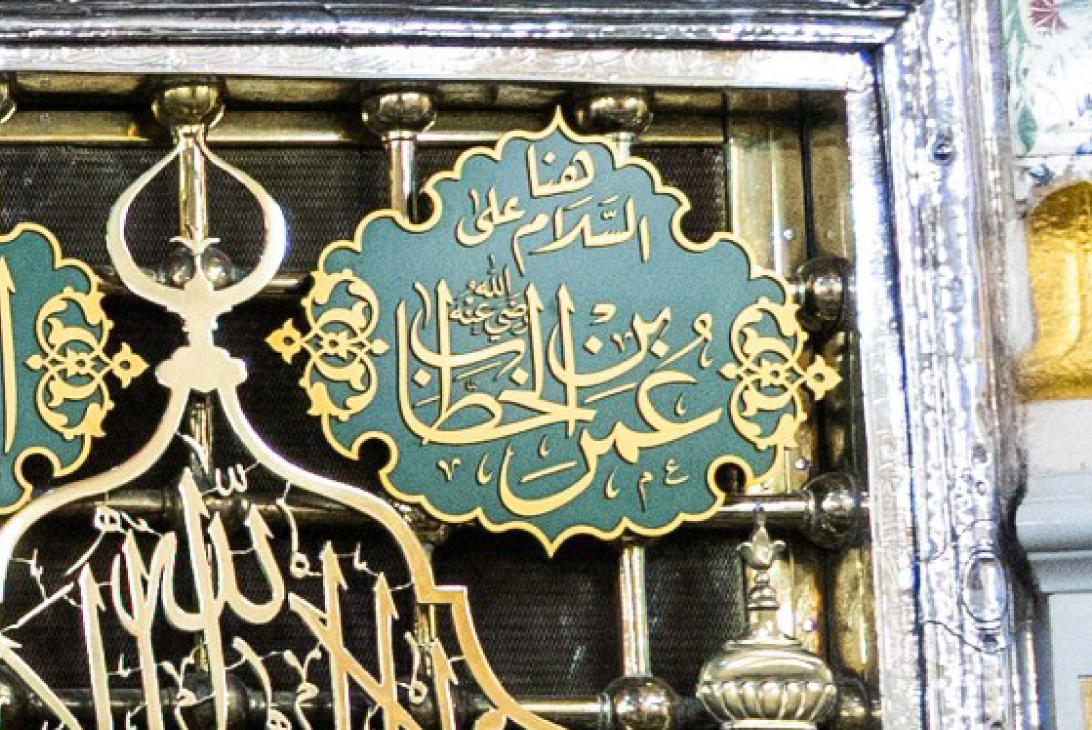
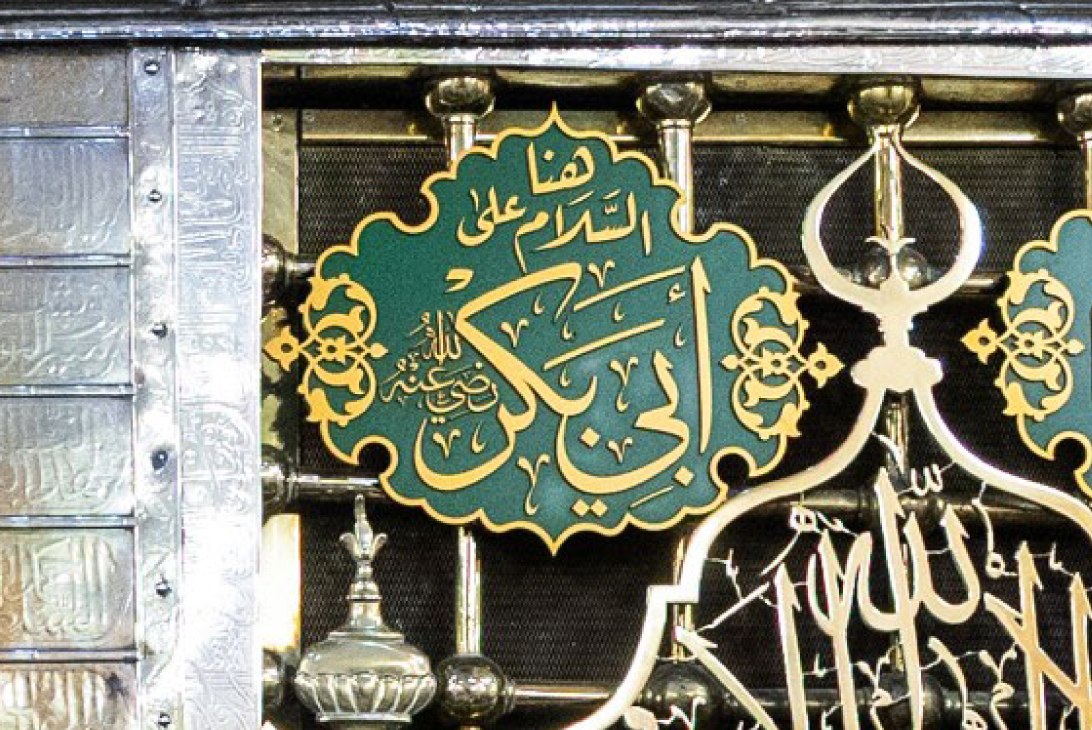
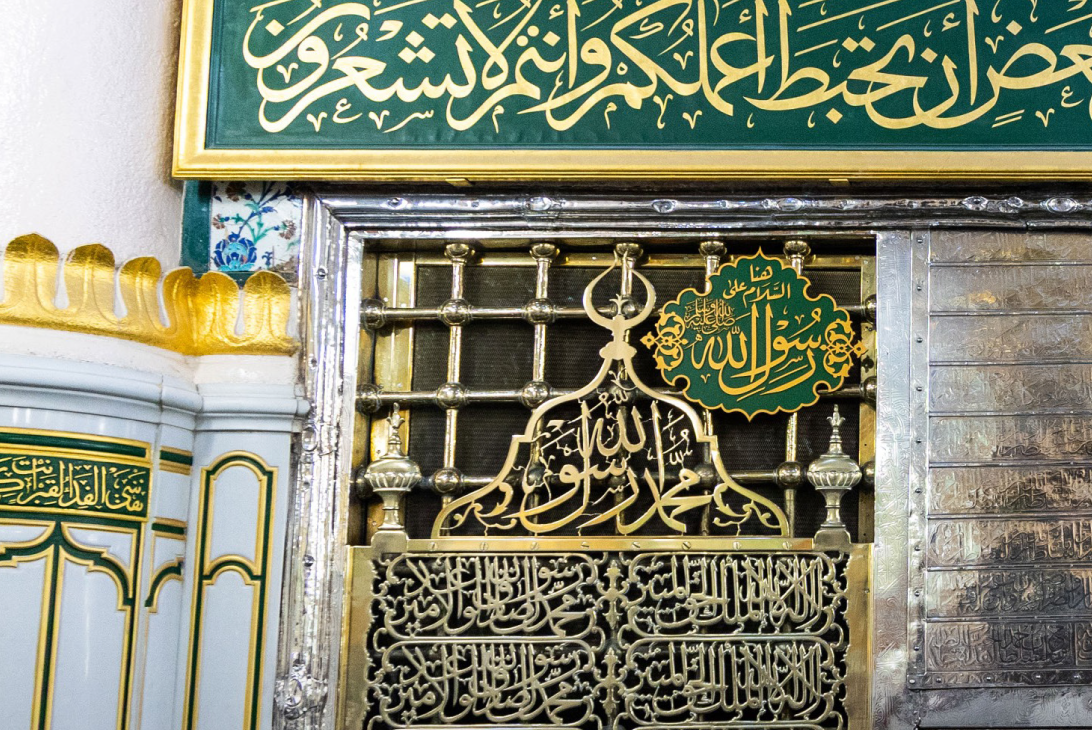
When ʿUmar (raḍiy Allāhu ʿanhu) was on his deathbed, he sent his son to ask ʿĀ’ishah (raḍiy Allāhu ʿanhā) for permission to be buried in her house, beside the Prophet ﷺ and Abū Bakr (raḍiy Allāhu ʿanhu). She said: “I had wanted it for myself, but today I will give preference to ʿUmar over myself.” This was her selflessness: giving up her place beside the one she loved most.
It was in this house where ʿĀ’ishah felt the warmth and deep love of the Prophet ﷺ. When Abyssinian performers came to the Masjid, the Prophet ﷺ called to her: “Would you like to watch?” She stood behind him as he stood at the door, his cloak shielding her, her cheek against his. He remained standing until she had seen enough. This was his love: patient, playful and tender.
Although ʿĀ’ishah was the wife of the greatest person to have ever walked on earth, she was also human. One day, when another wife sent the Prophet ﷺ a dish of food whilst he sat in ʿĀ’ishah’s home, jealousy overwhelmed her and she struck it, shattering it. The Prophet ﷺ calmly gathered the pieces and said: “Your mother has become jealous.” He did not rebuke her and nor did he shame her.
This was the house in which revelation was received directly from the heavens and ʿĀ’ishah’s strong faith in Allah was built. When the hypocrites spread lies about her honour, she wept until there were no tears left. When verses were revealed declaring her innocence and her mother urged her to thank the Prophet g, ʿĀ’ishah’s reply was one of firm faith: “By Allah, I praise none but Allah.” She knew her honour came from Allah alone. Her unwavering faith in Him carried her through this extremely difficult trial and it was to Him she turned in gratitude.
It was in this house where ʿĀ’ishah was nurtured to become an outstanding scholar. After the passing of the Prophet g, her home became a centre of learning, where the next generation of leading scholars were trained. When the senior Companions had questions, they came to her door. ʿĀ’ishah transmitted over two thousand aḥādīth, corrected understandings, clarified rulings, and became one of the greatest jurists of Islam.
It was also in this house that one of the saddest moments in the history of Islam occurred. Here, the Prophet ﷺ lay during his final illness, his voice growing faint as he whispered again and again: “Al-Rafīq al Aʿlā… the Highest Companion.” Here, cradled in her lap, his blessed soul departed. Allah granted her what no other was granted: to be the last person the Prophet ﷺ saw, the last person to hold him, the one in whose arms the Mercy to Mankind returned to his Lord.
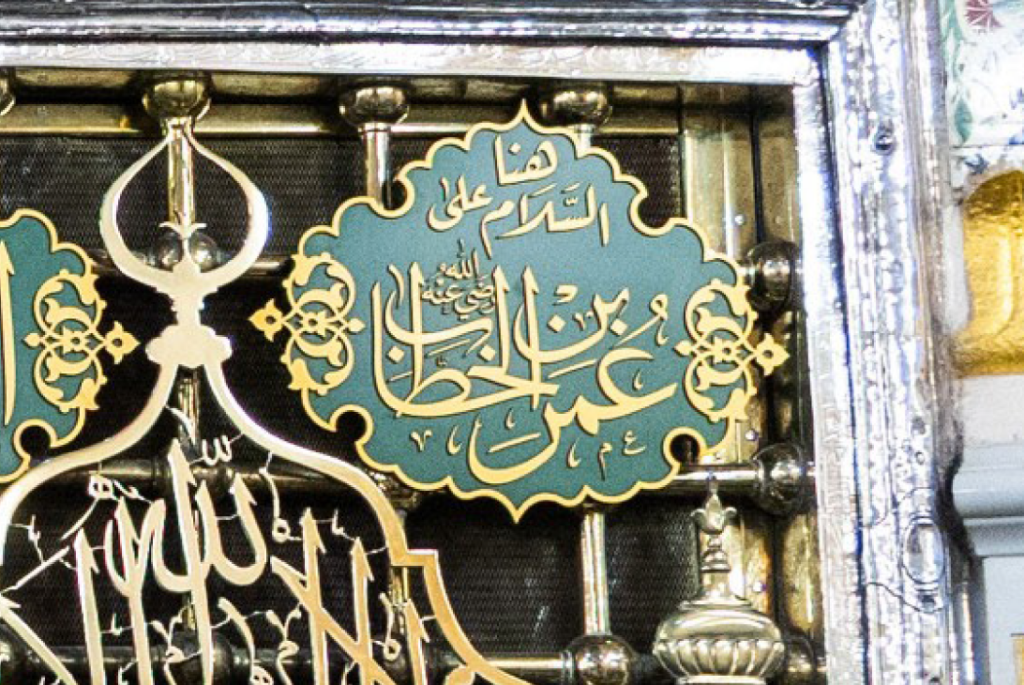 6. The Beacon of Justice: ʿUmar b. al-Khattab (raḍiy Allahu ʿanhu)