“O Allah, strengthen Islām with the dearest of two men to You, ʿUmar b. al-Khaṭṭāb or ʿAmr b. Hishām!”
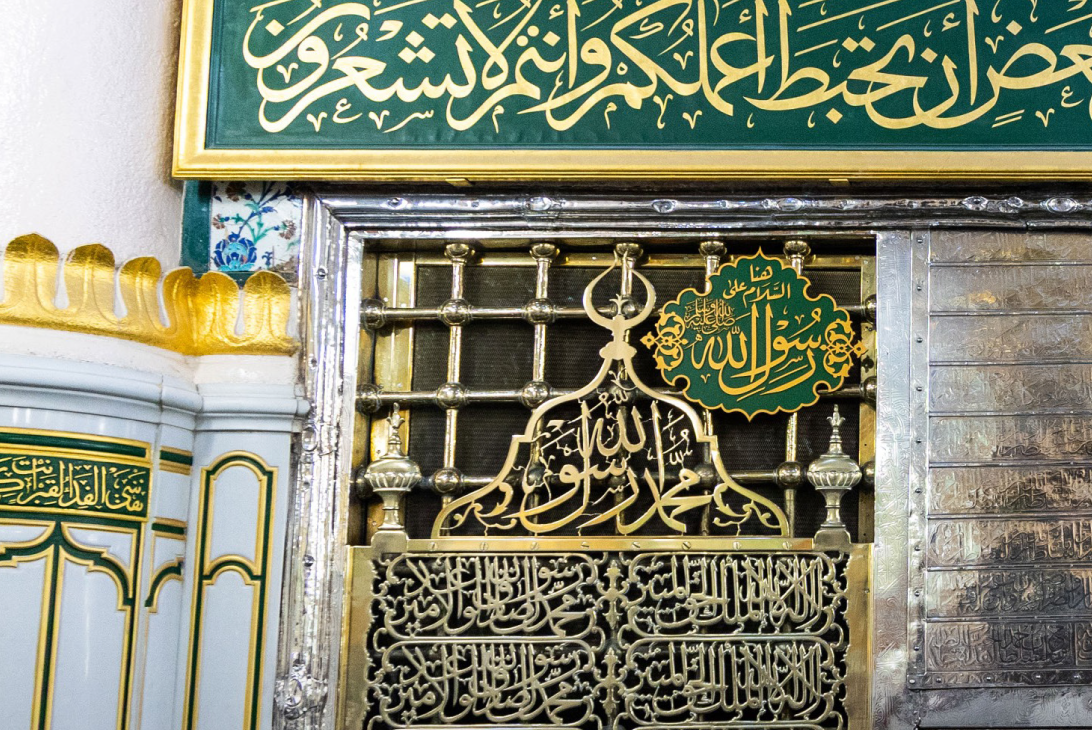
This was the duʿā’ of the Prophet ﷺ. Allah chose ʿUmar (raḍiy Allāhu ʿanhu), and you are now standing before him.
From the very moment he embraced Islām, ʿUmar (raḍiy Allāhu ʿanhu) refused to hide. Whilst others concealed their faith, ʿUmar went first to his uncle — Islam’s staunchest enemy, Abū Jahl — announcing his Islam at his doorstep. When the door was slammed in his face, he sought out the person who would spread gossip the fastest in Makkah and announced his conversion.
When ʿUmar (raḍiy Allāhu ʿanhu) migrated, he did not leave under cover of darkness. He strapped on his sword, slung his bow over his shoulder, performed ṭawāf around the Kaʿbah, then called out to the leaders of Quraysh: “Whoever wishes to leave his mother childless, orphan his child, or widow his wife, let him follow me across this valley, for I am migrating!” No one dared follow him.
ʿUmar (raḍiy Allāhu ʿanhu) was al-Fārūq, the one who distinguished truth from falsehood with absolute clarity. His firmness was legendary, yet always in service of justice. When young slaves belonging to Ḥāṭib were brought before him for stealing a camel, he looked closely at their faces, thin and frail, and realised hunger had driven them to theft. He turned to their master: “It is you who starve them! The punishment falls upon you!” This was his justice: addressing the root cause rather than punishing the symptom.
Beneath his legendary strength lay extraordinary tenderness and humility. One night, whilst guarding a caravan of goods, he heard a child crying. He found a woman trying to wean her baby early because ʿUmar’s policy granted stipends only to weaned children. When he realised his ruling was causing this distress, he wept. At Fajr, the people could barely make out his recitation because of his sobbing. He cried out: “Woe to ʿUmar! How many children of the Muslims has he caused to perish!” He immediately changed the policy.
This was ʿUmar, the one who conquered Rome and defeated Persia. Once, he arrived late to Friday prayer wearing a cloak patched in twenty-one places, explaining: “What kept me was this shirt of mine. I was waiting for it to dry, for I have no other.” When his governor sent him sweets from Azerbaijan, he asked: “Do all the people eat this?” When told it was food for the elite, he commanded: “Take your gift back and tell your sender: ʿUmar commands you not to be filled with food until every Muslim before you has been fed and satisfied!”
When news of victory reached him from Nahāwand, the messenger listed the names of the martyrs whom ʿUmar was familiar with, then added: “And others, from amongst the common people, whom the Commander of the Faithful does not know.” ʿUmar wept and said: “What harm is it to them that ʿUmar does not know them? Indeed, Allah knows them!”
It was this same humility that marked his entry into al-Quds, when the Christian Patriarch refused to surrender the blessed city to anyone but the Caliph himself. ʿUmar set out from Madinah with a single servant, sharing one camel between them, taking turns to ride across the scorching desert. When they neared Jerusalem’s gates, it was the servant’s turn to ride, and the Muslim generals rushed forward in alarm: “O Commander of the Faithful! You are about to enter before the Romans, and you are walking whilst your servant rides!” ʿUmar looked at them and replied: “We are a people whom Allah has honoured through Islām. If we seek honour through anything else, Allah will humiliate us.” He entered the city, victorious, on foot.
At a gathering, someone asked him: “And who are you?” “ʿUmar b. al-Khaṭṭāb!” he replied. “ʿUmar? The one who crushed the Romans, the knight who shattered empires?” “No. ʿUmar, the Companion of the Messenger of Allah. No lineage is dearer to me than that.”
You stand before ʿUmar: the man the Shayṭān feared, the man who wept for orphans he never knew, the man who lived like a destitute whilst ruling an empire. United with the Prophet ﷺ and Abū Bakr (raḍiy Allāhu ʿanhu) in life, he is united with them in death, his grave beside theirs forever.