There is special importance given to the remembrance of Allah before, during and after the Days of Tashrīq. As the days of Tashrīq mark the end to a great season of worship (ḥajj, qurbānī and other good deeds in the 10 days of Dhul Ḥijjah), an apt way of completing these rites is with the remembrance of Allah (subḥānahū wa ta‘ālā).
The deeper meaning of the command to remember Allah (subḥānahū wa ta‘ālā) after the completion of the various rites is that whilst other actions may come to an end, the remembrance of Allah continues for the believers in this life and the hereafter.
In many instances, Allah (subḥānahū wa ta‘ālā) has implied that the remembrance of Allah is something continuous unlike other acts of worship. Regarding ṣalāh, Allah (subḥānahū wa ta‘ālā) says:
“So when you have concluded the ṣalāh, then remember Allah, while standing, or sitting, or [lying] on your sides.” (4:103)
Similarly, with respect to jumuʿah ṣalāh, the same message of remembrance is echoed:
“When the ṣalāh is concluded, then [you may freely spread throughout the land and seek the bounty of Allah. Yet remember Allah much so that you may be successful.” (62:10)
Upon completion of the rites of ḥajj, the command of remembrance is reiterated once again:
“When you have concluded your rites [of ḥajj], then remember Allah, like your [past] remembrance of your forefathers – or with even more remembrance” (2:200).
Once the battle ends and the believer reaches safety, the remembrance of Allah (subḥānahū wa ta‘ālā) is advised again:
“Then when you are safe again, remember Allah as it is He who has taught you what you did not know.” (2:239)
Ḥasan al-Baṣrī (raḥimahullāh) said: ‘Allah commanded him to exert effort in duʿā’ and worship after finishing from the battlefield. All actions come to an end. However, the remembrance of Allah has no end. All actions come to an end with the ending of this life and nothing of it remains in the hereafter. As for the remembrance of Allah, it endures into the hereafter. The believer lives upon the remembrance of Allah, dies upon it and will be resurrected upon it.’
Make the most of these moments as they have greater virtue. Ibn Hajar (raḥimahullāh) said: “The secret for worship being more virtuous (in these days) than others is that worship in times of negligence is more virtuous than other times. The Days of Tashrīq are generally days of negligence so worship in these days will hold more virtue for the worshipper than other times. This is similar to the one who stands at night while most are sleeping.”
Prescribed Methods for Remembering Allah
Remembering Allah (subḥānahū wa ta‘ālā) has been prescribed through various methods during the Days of Tashrīq:
1. Remembering Allah after the fard salah with the takbirat of tashriq:
اَللّٰهُ أَكْبَرُ اَللّٰهُ أَكْبَرُ لَا إِلٰهَ إلَّا اللّٰهُ وَاللّٰهُ أَكْبَرُ اَللّٰهُ أَكْبَرُ وَلِلّٰهِ الْحَمْدُ
“Allah is the Greatest. Allah is the Greatest. There is no god worthy of worship but Allah and Allah is the Greatest. Allah is the Greatest and all praise is for Allah alone.”
The above takbīrāt are to be read audibly after each farḍ ṣalāh, starting from the Fajr of the 9th of Dhul Ḥijjah till the ʿAṣr of the 13th Dhul Ḥijjah.
ʿIkrimah (raḥimahullāh) says that the verse which instructs remembering Allah during the Days of Tashrīq refers to remembering Allah after the farḍ ṣalāh.
The wisdom of repeating the takbirāt after every fard ṣalāh with fervent passion is to allow the greatness of Allah to become entrenched in the hearts of all Muslims.
It is a reminder that it is only Allah (subḥānahū wa ta‘ālā) who is deserving of complete servitude and obedience.
When uttering the takbirāt, this reality should be embedded in our hearts and minds.
2. Mentioning the name of Allah whilst slaughtering the animal.
We remember Allah by saying اَللّٰهُ أَكْبَرُ when slaughtering the animal of qurbānī.
3. Remembering Allah by saying takbir when pelting the jamarat during the Days of Tashriq.
We remember Allah by saying takbīr (اَللّٰهُ أَكْبَرُ) when pelting the jamarāt during the Days of Tashrīq. This is specifically for those performing ḥajj.
4. Remembering Allah generally.
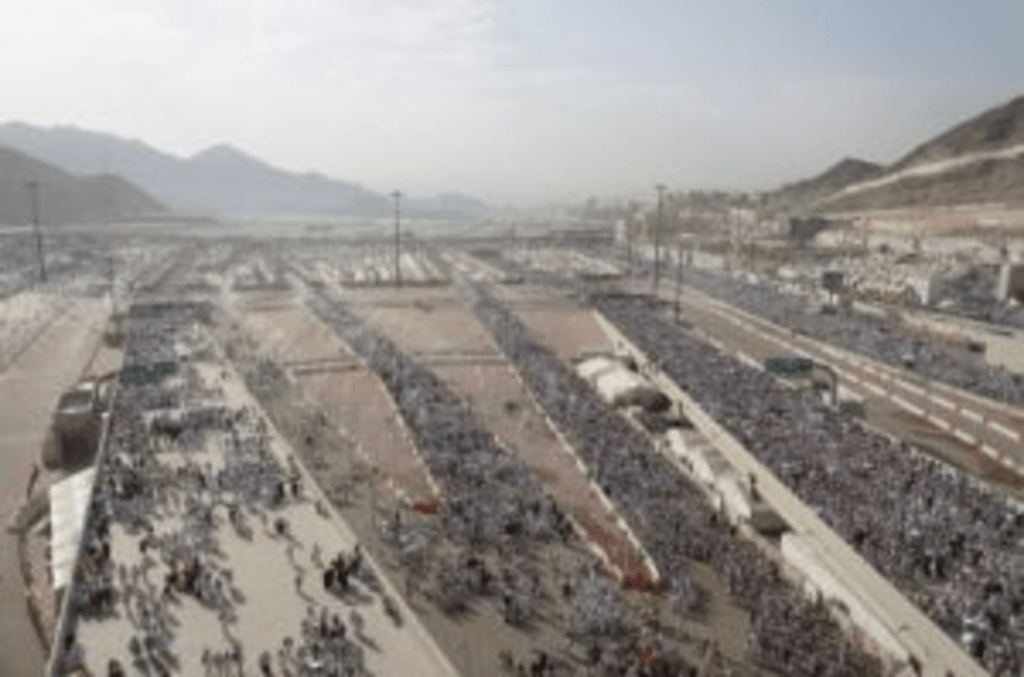
It is recommended that one remembers Allah (subḥānahū wa ta‘ālā) considerably more in the Days of Tashrīq. ʿUmar b. Khaṭṭāb (raḍiy Allāhu ‘anhu) used to say the takbīr in Mina. The people on hearing him would similarly say the takbīr which would result in the valley of Mina echoing with takbīr.
“Ibn ʿAbbās (radiy Allāhū ‘anhumā) would utter the following takbīr during the days of ʿEīd and Tashrīq:
اَللّٰهُ أَكْبَرُ كَبِيْراً ، اَللّٰهُ أَكْبَرُ كَبِيْراً ، اَللّٰهُ أَكْبَرُ وَأَجَلُّ ، اَللّٰهُ أَكْبَرُ عَلَىٰ مَا هَدَانَا
Allah is the Most Great indeed, Allah is the Most Great indeed, Allah is the Greatest and Exalted, Allah is the Greatest for that [to] which He has guided us.” (Bayhaqī)
A Special Supplication for the Days of Tashriq
Many of the pious predecessors would prefer to say the following supplication in abundance throughout the Days of Tashrīq:
رَبَّنَا اٰتِنَا فِي الدُّنْيَا حَسَنَةً وَفِي الْاٰخِرَةِ حَسَنَةً وَقِنَا عَذَابَ النَّارِ
“Our Lord! Give us good in this world and good in the Hereafter, and save us from the torment of the Fire” (2:201).
ʿIkrimah (raḥimahullāh) said, “It is preferred that one says this supplication during the Days of Tashrīq.”
(Adapted and excerpted from Laṭā’if al-Ma’ārif)
Thank Allah for these Blessed Days
“The Days of Tashrīq combine both blessings of the body and the heart for the believers: the blessings of the body through eating and drinking, and the blessings of the heart through dhikr and gratitude. This is a completion of all blessings. Furthermore, whenever they thank Allah for a blessing, their gratitude in itself is another blessing; and this requires further gratitude. And gratitude never ends.” (Ibn Rajab (raḥimahullāh)