As your ḥajj comes to an end, conclude with the following:
1. Ask Allah to accept your ḥajj. Wuhayb b. al-Ward (raḥimahullāh) recited:
وَاِذْ يَرْفَعُ اِبْرٰهِيْمُ الْقَوَاعِدَ مِنَ الْبَيْتِ وَاِسْمٰعِيْلُ رَبَّنَا تَقَبَّلْ مِنَّا ؕ اِنَّكَ اَنتَ السَّمِيْعُ الْعَلِيْمُ
“And (remember) when Ibrāhīm raised the foundation of the House with Ismāʿīl, (supplicating), ‘Our Lord! Accept (this) from us. You are indeed the All-Hearing, All-Knowing’” (2:127)
He then cried saying, “O Friend of The All-Merciful (Khalīl al-Raḥmān)! You were raising the foundations of the House of The All-Merciful, and you were scared that it would not be accepted from you!”
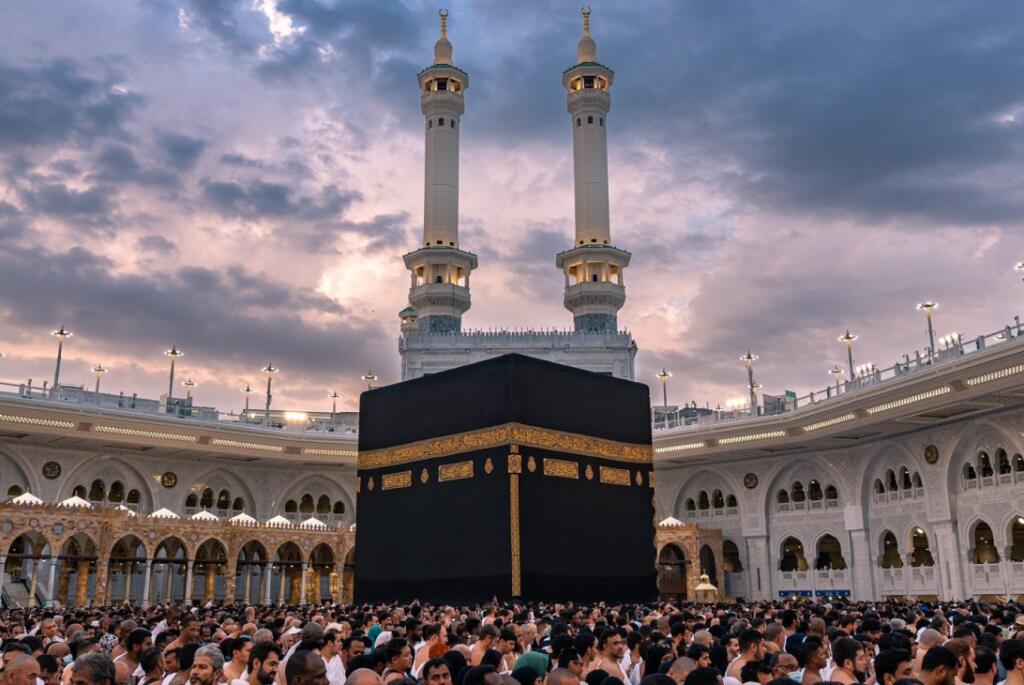
2. Thank Allah. Thank Him for inviting you to His House and granting you the opportunity to complete this blessed journey. Countless people have longed to visit His House, dedicating their lives to preparing for the journey, yet Allah chose to call you. Don’t take this blessing for granted.
3. Seek forgiveness. Like all other acts of worship, ask Allah (subḥānahū wa ta‘ālā) to forgive your shortcomings and sins. Ibn Rajab (raḥimahullāh) writes: “lstighfār (seeking forgiveness) is the seal of all righteous acts: ṣalāh, ḥajj, and the night prayer are concluded with it, and gatherings are concluded with it…”
4. Hope and fear. Do not be deceived by your acts of worship. Have hope in Allah (subḥānahū wa ta‘ālā) that He will accept it from you, and at the same time feel scared that your acts of worship will not be accepted.
The righteous predecessors would strive to perfect their deeds and then would worry about whether their deeds would be accepted. ʿAlī b. Abī Ṭālib (raḍiy Allāhu ʿanhu) said, “Be more concerned with Allah’s acceptance of a good deed than with doing the good deed itself. Have you not heard Allah say: ‘Allah only accepts from the people of taqwā’ (5:27)?”
Similarly, Allah (subḥānahū wa taʿālā) says, “And those who give that which they give with their hearts full of fear…” (23:60).
ʿĀ’ishah (raḍiy Allāhu ʿanhā) said, “I said, ‘O Messenger of Allah: Does ‘And those who give that which they give with their hearts full of fear… (23:60)’ refer to the person who commits adultery, steals and drinks alcohol?’ He ﷺ replied, ‘No, O daughter of Abū Bakr! Rather it is the one who fasts, gives charity, performs ṣalāh, whilst he fears that it will not be accepted from him’” (Ibn Mājah).
“l witnessed the predecessors exerting their utmost efforts in performing righteous deeds, but upon performing them, anxiety would befall them as to whether their deeds would be accepted or not.” -ʿAbd al-Azīz b. Abī Rawwād (raḥimahullāh)
May Allah, al-Karīm, through His endless mercy, generosity and blessings return you home safely, free from sin, ready to start a new life. And may He, through His infinite grace, welcome you into your true and everlasting home: Jannah, in the honoured company of the Prophets, the truthful, the martyrs, and the righteous. What a beautiful homecoming that will be bi’idhnillah.