‘Ruqyah’ is the practice of treating illnesses through Qur’ānic āyāt, and invocations prescribed by the Messenger of Allah ﷺ. It is a means of cure for evil eye, magic, jinn and physical ailments.
The Qur’ān offers complete solace to a believer – both spiritually and physically. Ruqyah should therefore play an essential role in our lives. Allah (subḥānahū wa taʿālā) says, “And say: The truth has come, and falsehood has vanished. Surely falsehood is ever bound to vanish by its very nature.
وَنُنَزِّلُ مِنَ الْقُرْآنِ مَا هُوَ شِفَاءٌ وَرَحْمَةٌ لِّلْمُؤْمِنِيْنَ
And We send down in the Qur’ān that which is a cure and a mercy for the believers” (17:81-2).
As well as providing a means of cure, ruqyah is an excellent way for the believers to build their īmān and reaffirm their tawḥīd for Allah (subḥānahū wa taʿālā). This is because seeking treatment through the Glorious Qur’ān undoubtedly demonstrates complete belief in the Book of Allah (subḥānahū wa taʿālā).
The Messenger of Allah ﷺ said: “Make good use of the two cures: honey and the Qur’ān.” (Ibn Mājah)
‘Ā’ishah (raḍiy Allāhu ‘anhā) said: “When the Messenger of Allah ﷺ was ill, Jibrīl (‘alayhis-salām) performed Ruqyah on him.” (Muslim)
‘Ā’ishah (raḍiy Allāhu ‘anhā) informs us that the Messenger of Allah ﷺ entered upon her and found a woman treating her with ruqyah (through other than the words of Allah (ʿazza wa jall). He ﷺ said: “Treat her with the book of Allah.” (Ibn Hibbān)
She also said: “The Messenger of Allah ﷺ used to command me to perform Ruqyah from the evil eye.” (Muslim)
Once the Messenger of Allah ﷺ saw a girl whose face had changed colour in the house of Umm Salamah (raḍiy Allāhu ‘anhā), so he ﷺ said: “Seek ruqyah for her, because she has been affected by the evil eye.” (Bukhārī)
‘Ā’ishah (raḍiy Allāhu ʿanhā) narrated that whenever the Messenger of Allah ﷺ would become sick, he would recite [the last three sūrahs of the Qur’ān] and then blow (in his hands and wipe) over his body. She says: “During his last illness from which he passed away, the Messenger of Allah ﷺ used to blow over himself. But when his sickness intensified, I used to (recite and then) blow over him using his own hands because of their blessings.”
In another hadīth, she mentions that whenever anyone from his family would become ill, he ﷺ would blow over them with these three Sūrahs. (Muslim)
The Hospital of Allah’s Messenger ﷺ
The Messenger of Allah ﷺ used three types of remedies:
- Divine remedy i.e. ruqyah.
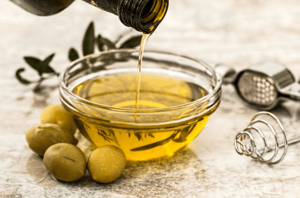
- Natural remedies, such as honey, black seed, olive oil, zamzam and cupping.
- A combination of both divine and natural remedies.
The Best Remedy
Ibn al-Qayyim (raḥimahullāh) wrote:‘The Qur’ān is the complete healing for all mental, spiritual and physical diseases; all the diseases of this world and the Hereafter. But not everyone is guided to use it for the purpose of healing. If the sick person uses the Qur’ān for healing in the proper way, and applies it to his disease with sincerity, faith, complete acceptance and firm conviction, fulfilling all its conditions, then no disease can resist it.’
How can a disease resist the words of the Lord of the heavens and earth which, if He had revealed it to the mountains, they would have crumbled, and if He had revealed it to the earth, it would have broken apart? There is no sickness, spiritual or physical, but in the Qur’ān there is that which indicates its remedy, its cause and how to protect against it for those who are blessed with the understanding of His Book.’ (Zād al-Ma‘ād)
‘Whosoever is not cured by the Qur’ān, then may Allah not cure him. And whosoever does not find the Qur’ān sufficient, may Allah make nothing sufficient for him.’ (Ibn al-Qayyim raḥimahullāh)