The Prophet ﷺ was suffering immensely in Makkah. His own people, the Quraysh, rejected him. They mocked and persecuted him, driving him out of his own home.
In the midst of this adversity, Allah, in His infinite kindness, sent the Prophet ﷺ a ray of light and hope: a group of young people.
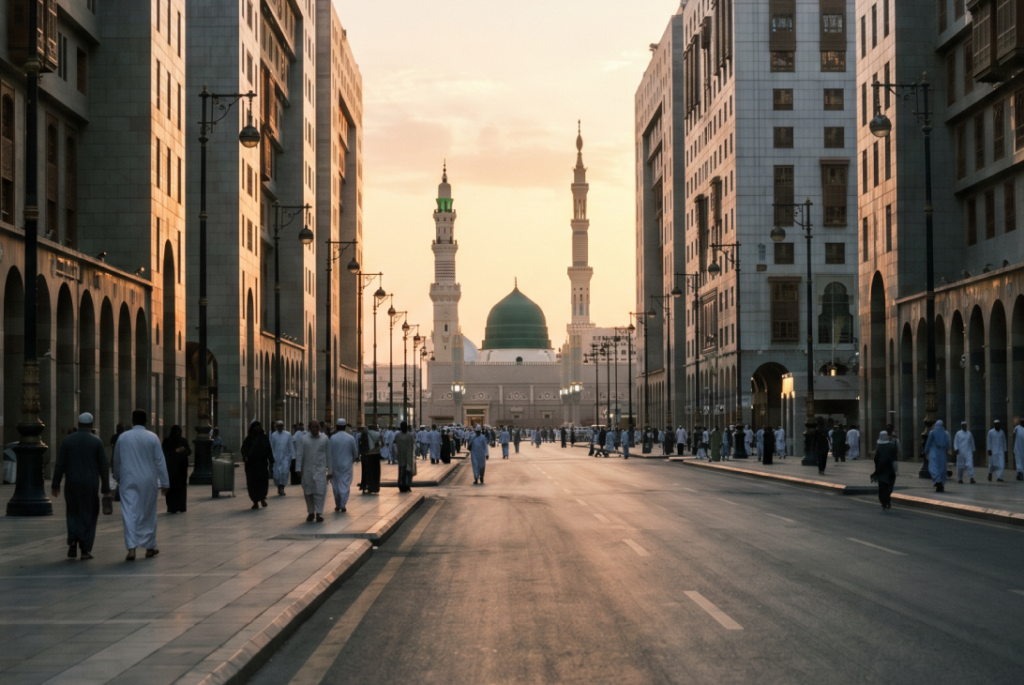
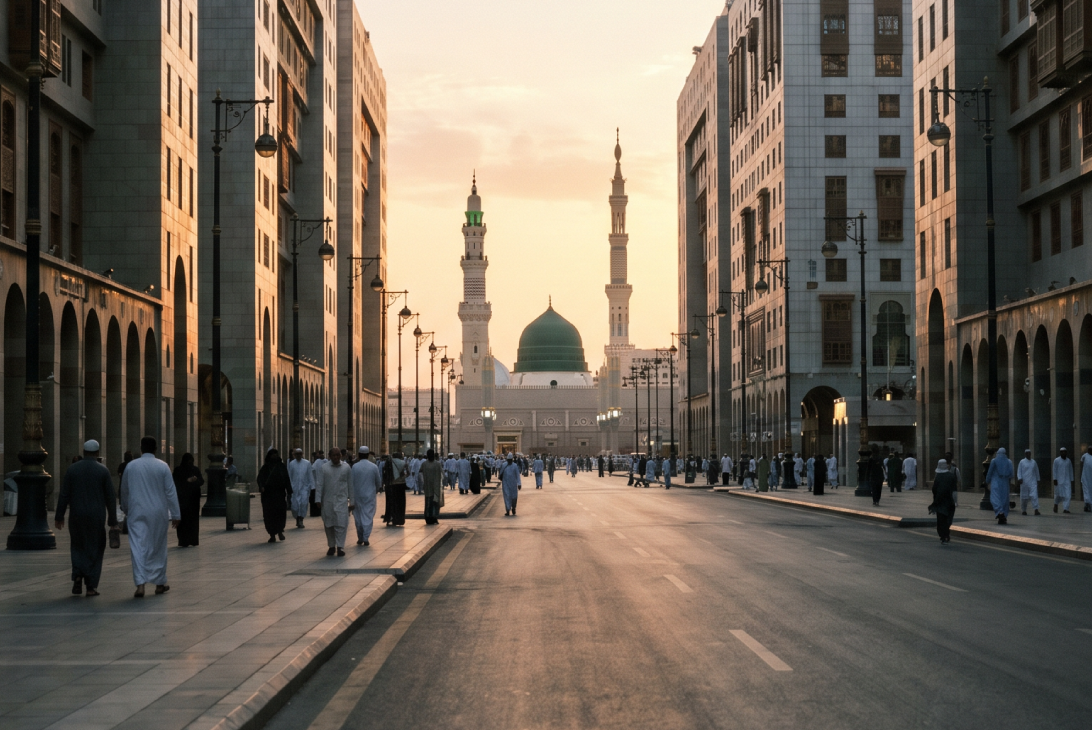
This band of youth came from the city of Yathrib, later renamed Madinah. They risked everything for the powerful message they had just heard. Together, they pledged their lives to Allah and His Messenger ﷺ. When his own tribe rejected him, these youth believed in him; they offered the exhausted Muslims of Makkah safety and security after years of torture. They welcomed the Messenger ﷺ and his Companions into their own homes, as one of their own. They were courageous fighters, righteous servants, mindful of Allah, selfless givers, and generous benefactors.
These people were the Anṣār.
The Anṣār continued to sacrifice their lives for the Prophet ﷺ. Before the Battle of Badr, their leader, Saʿd b. Muʿādh (raḍiy Allāhu ʿanhu) reassured the Prophet ﷺ: “If you were to command us to plunge into the sea, we would do so. And if you were to command us to drive our horses to Bark al-Ghimād, we would do that too!”
Even in moments of tribulation, the Anṣār remained at the Prophet’s side. At the Battle of Uḥud, when the enemies were overpowering the believers, Saʿd b. al-Rabīʿ(raḍiy Allāhu ʿanhu) was struck with seventy blows, yet still warned the rest of the Anṣār that they would “have no excuse before Allah if the Messenger of Allah ﷺ is killed while even one of them remains alive!”
The Anṣār were human too, but they were from amongst the best of people. Years later, when the Prophet ﷺ distributed the war spoils at the Battle of Ḥunayn, he did not give anything to the Anṣār, leaving some of them upset. He ﷺ gathered them and asked, “Are you not pleased that others return home with sheep and camels, while you return home with the Messenger of Allah ﷺ among you?” He then continued, “Were it not for the hijrah, I would have been one of the Anṣār. O Allah, have mercy on the Anṣār, and on the children of the Anṣār, and on the grandchildren of the Anṣār.”
The women of the Anṣār were also exemplary. Two women made the arduous journey to the first Pledge of ʿAqabah and accepted Islam alongside the men. The Anṣārī women became known for their deep love of learning and their eagerness to gain understanding in religion. ʿĀ’ishah (raḍiy Allāhu ʿanhā) said: “How excellent are the women of the Anṣār! Their modesty did not prevent them from seeking understanding in religion.”
In the final days of the Prophet’s ﷺ life, the Anṣār wept out of longing to meet with him. The Prophet ﷺ emerged despite the excruciating pain he was in, and ascended the minbar. This was the last moment he would ever stand upon the minbar. His ﷺ voice filled the masjid as he called upon the believers: “I advise you to take care of the Anṣār, for they are my close Companions and the keepers of my secrets.”
Such was the love of the Prophet ﷺ for the Anṣār. If the Prophet ﷺ were among us today, would our actions merit such love?